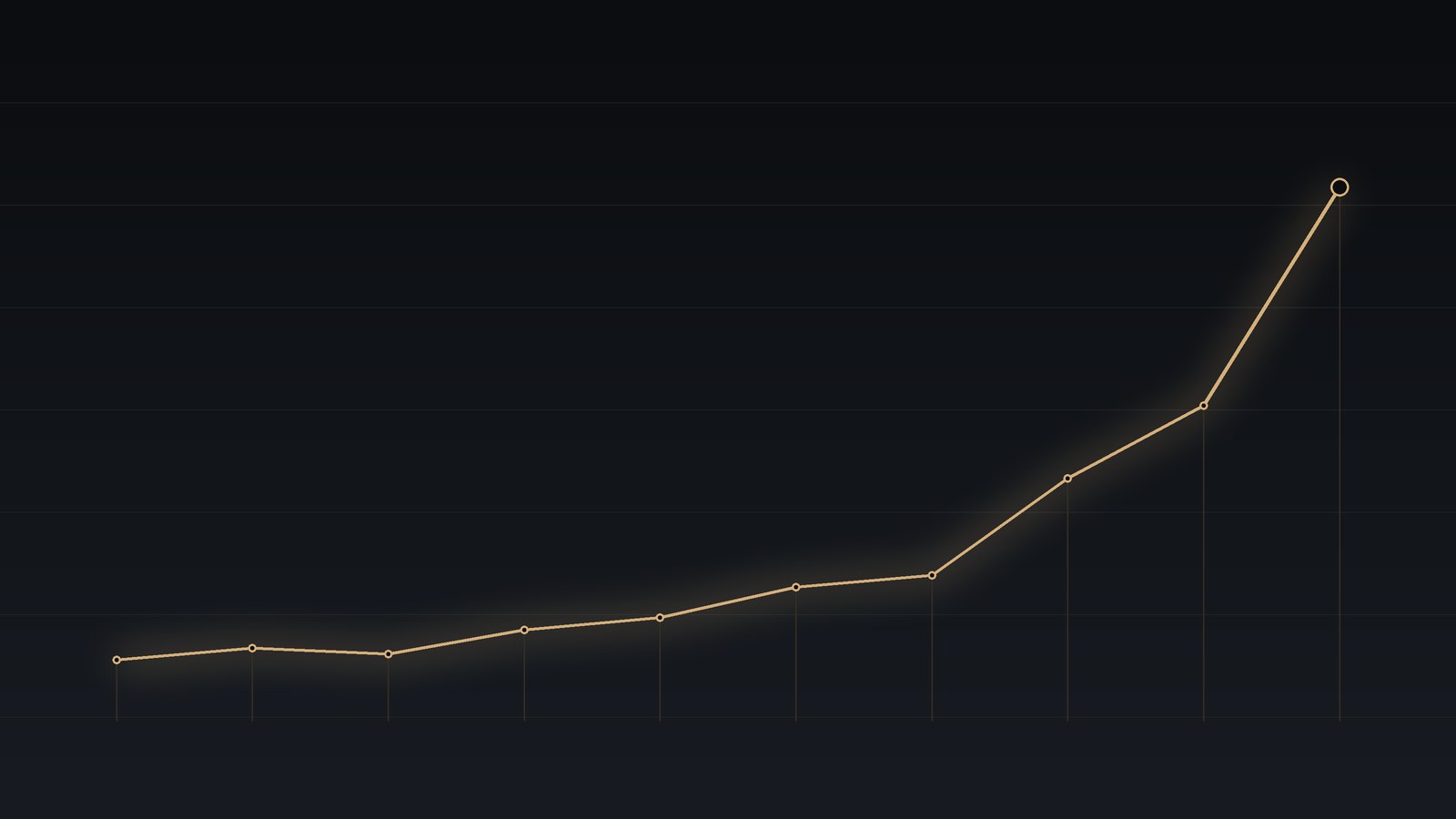
Watch prices are rising again, but Rolex is cooling and stock is piling up
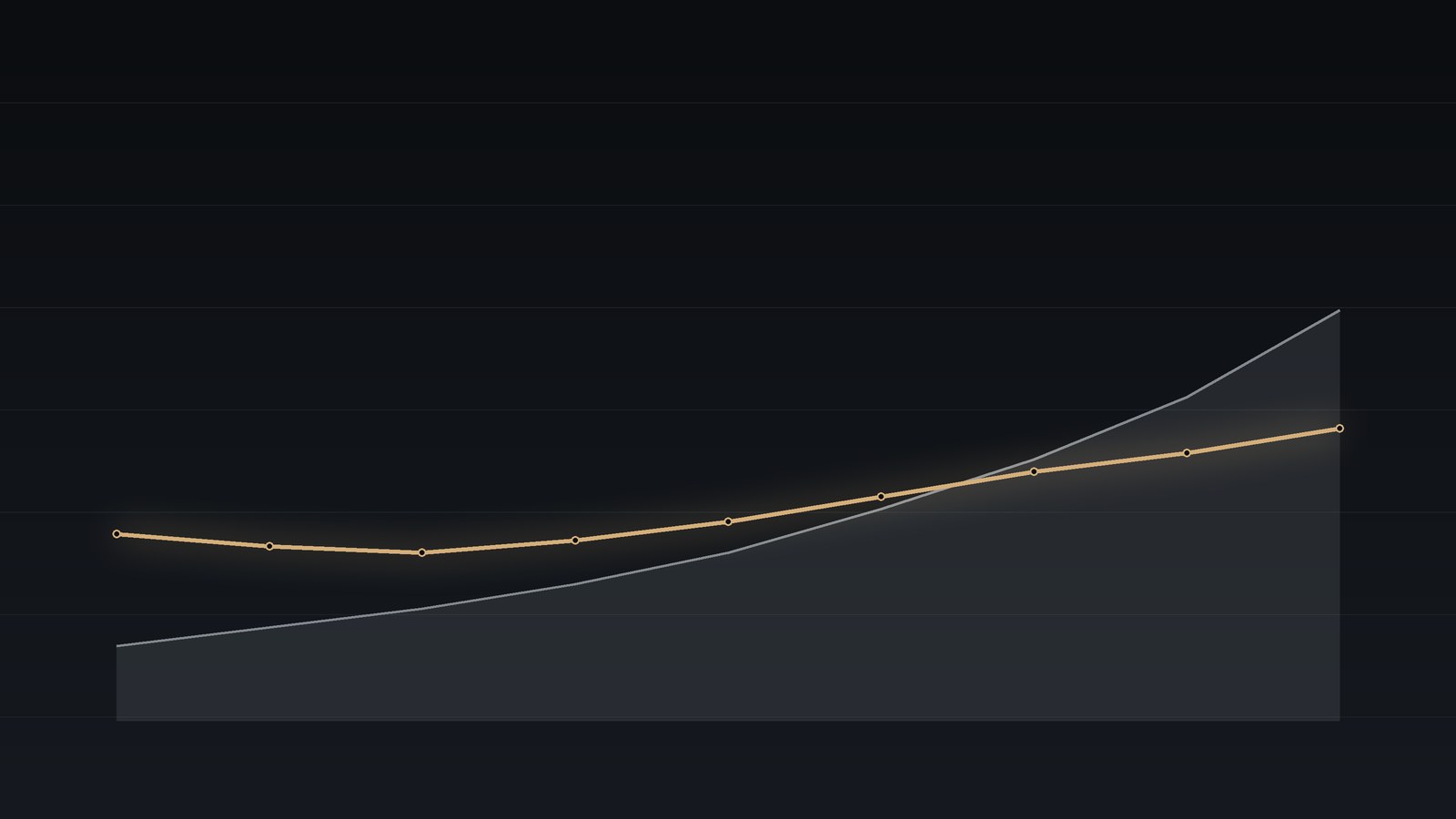
After three years of falling, the second-hand watch market has gone five quarters without a down one. Prices are rising again. But the people measuring it are starting to sound a note of caution, and the numbers explain why.
Here is what the figures say, who is winning, and what it means for anyone buying or selling.
The headline
According to a Morgan Stanley report from 13 October, as summarised by Forbes contributor Garth Friesen, the WatchCharts Overall Market index rose 1.2% in the third quarter of 2026. That is the fifth consecutive quarter of gains above 1%.
The index is up 8.3% over the year, and 28 of the 35 brands tracked posted increases. The report describes the index as covering 300 watches from ten brands, weighted by transaction value.
It is worth keeping in perspective. The same figures put the index about 29% below its April 2022 peak, after eleven straight quarters of decline. This is a recovery, not a return to the highs.
Who is winning: Patek Philippe
Patek Philippe is the standout. The brand rose 2.6% in the quarter and 17.6% over the past year, the strongest annual gain of any brand tracked, per Morgan Stanley via Forbes.
A. Lange & Söhne rose 4.4% in the quarter, Chopard 3.8% and Vacheron Constantin 3.1%. The common thread is the high end of fine watchmaking, rather than the mass of luxury brands.
The auction room tells a similar story. At Phillips' Geneva Watch Auction XXIII in May, the sale made more than $96.3 million, the most Phillips has taken at a watch auction, with 225 lots and 43 world records. A Patek Philippe Ref. 2523 “South America” world-time watch made over $10.2 million, about double its estimate, and an F.P. Journe Chronomètre à Résonance made more than $6.2 million. All but one lot sold.
Who is cooling: Rolex
Rolex makes up more than half of the index, which makes its behaviour important. It rose just 0.5% in the quarter, its smallest gain in seven quarters, according to the same report. Demand flattened and the amount of Rolex stock for sale on the secondary market reached a record.
That does not mean Rolex is in trouble. Rolex still trades above its retail price, at an average premium of 10.3%, according to the report. But the pace has slowed.
The warning sign: record inventory
The most important number in the report is not a price. It is supply.
The total value of listings on the secondary market rose 5.7% in the quarter and 19.3% over the year, reaching a record for each of six major brands the report examined: Rolex, Patek Philippe, Audemars Piguet, Cartier, Omega and IWC. New listings outpaced sales for every one of them, and the rate at which watches sold fell for four of the six.
More supply than demand is a classic brake on prices. Friesen warns that it could cap gains on popular models such as the Rolex Daytona, the Patek Philippe Nautilus and the Audemars Piguet Royal Oak.
Only three brands keep their value
One finding deserves more attention than it gets. According to the report, only three brands trade above their original retail price on average:
- Patek Philippe: a 16.3% premium
- Rolex: a 10.3% premium
- Audemars Piguet: a 5.9% premium
Every other brand tracked trades at a discount of at least 25%. Cartier sits 25.9% below retail and IWC 41.2% below.
For a buyer, that is a plain lesson. Most luxury watches are bought to be worn, not as stores of value, and the market will remind you of that on the day you try to sell.
What is driving it?
Our reading, drawing on market commentary, is that several forces are at work, and not all of them are guaranteed to last.
Scarcity at the top. The very best pieces from the best makers are produced in small numbers, and the auction results suggest that serious collectors will pay heavily for them.
Independent makers. The Phillips results credited independent watchmakers with growing momentum, and Forbes reports crowds at independent-focused events. Journe, Akrivia and others set records in Geneva.
A recovering market. After years of decline, some buyers who waited are returning.
Confidence in watches as a collecting category. Phillips' watch consultants Aurel Bacs and Livia Russo said at the Geneva sale that watches now sit alongside fine art and historic motorcars at the top of the collecting world. They would say that, of course, and it is a view, not a fact.
What it means for buyers
- At the top end, expect competition and few bargains
- For popular Rolex and Audemars Piguet models, rising stock may give you room to negotiate
- Condition, originality and papers matter more than ever, because they separate the premium examples from the rest
- Do not assume a rising index applies to the watch you want. Averages hide huge differences between models
Our checklist for buying a luxury watch safely sets out the checks worth doing before you pay, whoever you buy from.
What it means for sellers
Rising supply means more competition for buyers' attention. If you are selling, price realistically, document the watch properly with its box, papers and service history, and be prepared for it to take longer if your model is one that many other people are also selling.
The honest summary
Prices are rising, led by the very top of the market, but the recovery is narrower than the headline suggests, Rolex has slowed, and stock is at record levels. Nobody can say how long the gains will last. This is general information and not investment advice.
If you are looking for a particular watch, you can speak to Tailyr. It searches across the watches listed by its commercial partners and discusses the options with you before narrowing down, and if the watch is not on the network yet, our Elite Specialists can source it. Tailyr does not sell the watches itself, and introductions are always made with your permission.
Sources: Forbes, Garth Friesen, 20 October 2026 · Phillips Geneva Watch Auction, Yahoo Finance